
Mental Health Awareness: Why It Matters More Than Ever
Mental Health Awareness: Why It Matters More Than Ever Introduction Mental health is an essential part of overall well-being, influencing how we think, feel, an…
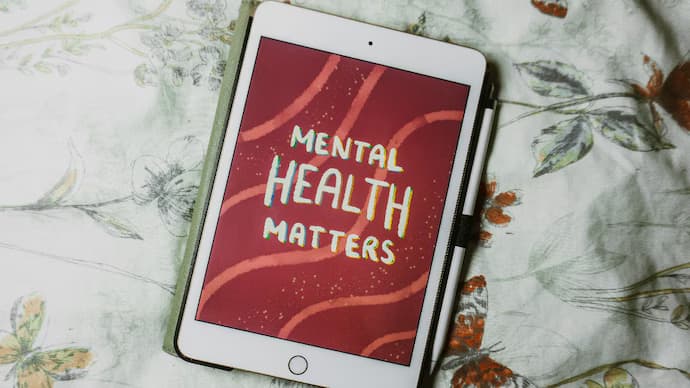
Mental Health Awareness: Why It Matters More Than Ever
Introduction
Mental health is an essential part of overall well-being, influencing how we think, feel, and behave in our daily lives. Yet, despite growing awareness, millions of people continue to struggle with mental health conditions in silence due to stigma, lack of information, or limited access to care.
Mental Health Awareness aims to educate individuals about mental well-being, encourage early intervention, and promote supportive communities where people feel comfortable seeking help. By understanding the importance of mental health, we can build healthier families, workplaces, and societies.
What Is Mental Health?
Mental health refers to a person's emotional, psychological, and social well-being. It affects how individuals handle stress, make decisions, relate to others, and cope with life's challenges.
Good mental health does not mean feeling happy all the time. Rather, it means having the ability to manage emotions, adapt to changes, maintain relationships, and function effectively in daily life.
Common Mental Health Conditions
Mental health disorders are common and can affect people of all ages. Some of the most prevalent conditions include:
Anxiety Disorders
Anxiety disorders involve excessive fear, worry, or nervousness that interferes with daily activities. Symptoms may include restlessness, rapid heartbeat, difficulty concentrating, and sleep disturbances.
Depression
Depression is more than temporary sadness. It is a serious condition characterized by persistent feelings of hopelessness, loss of interest in activities, fatigue, and changes in appetite or sleep patterns.
Stress-Related Disorders
Chronic stress can negatively impact both mental and physical health. Long-term stress may contribute to anxiety, depression, heart disease, and weakened immune function.
Bipolar Disorder
Bipolar disorder causes significant mood swings, including periods of elevated mood and episodes of depression that can affect daily functioning.
Obsessive-Compulsive Disorder (OCD)
OCD involves recurring unwanted thoughts and repetitive behaviors that individuals feel compelled to perform.
Signs That Someone May Need Mental Health Support
Recognizing early warning signs can help individuals seek assistance before symptoms become severe. Common signs include:
- Persistent sadness or low mood
- Excessive worry or anxiety
- Withdrawal from family and friends
- Changes in eating or sleeping habits
- Difficulty concentrating
- Loss of interest in previously enjoyed activities
- Increased irritability or mood changes
- Declining work or academic performance
- Feelings of hopelessness
If these symptoms persist for several weeks and affect daily life, professional evaluation is recommended.
Why Mental Health Awareness Is Important
Reduces Stigma
One of the biggest barriers to mental healthcare is stigma. Many people avoid seeking help because they fear judgment or discrimination. Awareness campaigns encourage open conversations and normalize seeking support.
Promotes Early Intervention
Early diagnosis and treatment often lead to better outcomes. Awareness helps individuals recognize symptoms and seek help before conditions worsen.
Improves Quality of Life
Proper mental healthcare can improve relationships, productivity, physical health, and overall life satisfaction.
Encourages Community Support
Education empowers families, friends, schools, and workplaces to provide meaningful support to those experiencing mental health challenges.
Tips for Maintaining Good Mental Health
Prioritize Physical Health
Regular exercise, balanced nutrition, and adequate sleep contribute significantly to emotional well-being.
Stay Connected
Maintaining strong relationships with family and friends provides emotional support during difficult times.
Practice Stress Management
Relaxation techniques such as meditation, deep breathing exercises, and mindfulness can help reduce stress levels.
Set Realistic Goals
Breaking large tasks into manageable steps can prevent feelings of overwhelm and improve confidence.
Limit Screen Time
Excessive use of social media and digital devices may contribute to stress and anxiety. Establishing healthy boundaries can improve mental wellness.
Seek Professional Help When Needed
Mental health professionals can provide effective treatments, counseling, and support tailored to individual needs.
The Role of Healthcare Providers
Hospitals and healthcare professionals play a vital role in promoting mental health awareness. Through education, screening programs, counseling services, and early intervention, healthcare providers help individuals access the care they need.
Seeking help is a sign of strength, not weakness. Professional support can make a significant difference in recovery and long-term well-being.
Conclusion
Mental health is just as important as physical health. By increasing awareness, reducing stigma, and encouraging early intervention, we can create a healthier and more supportive community. Everyone deserves access to mental healthcare and the opportunity to live a fulfilling life.