
13 Common Lung Cancer Myths Debunked: What Is the Truth?
Lung cancer is one of the most common cancers in the world. However, many myths and misunderstandings about lung cancer still exist. In this blog, we will debun…
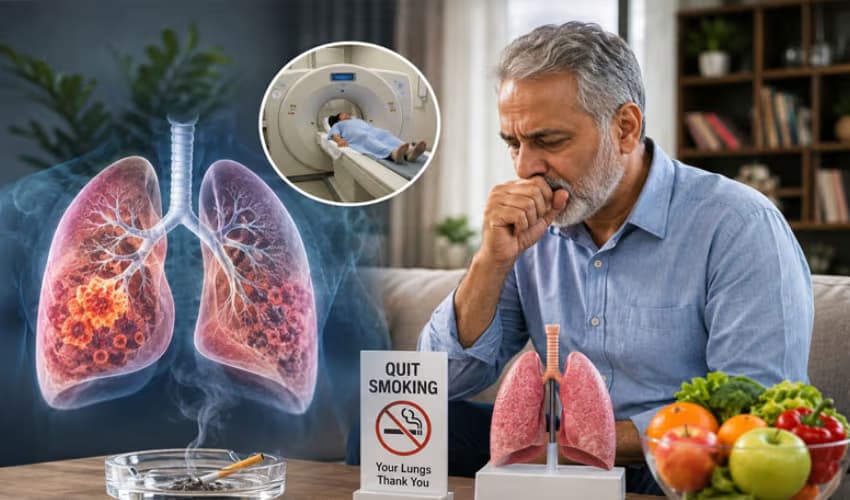
Lung cancer is one of the most common cancers in the world. However, many myths and misunderstandings about lung cancer still exist.
In this blog, we will debunk 13 common myths about lung cancer and explain what the facts really say.
1. Myth: Only Smokers Get Lung Cancer
Fact: Non-smokers can also develop lung cancer. Smoking is the biggest known risk factor for lung cancer, but it is not the only one. According to the CDC, around 10% to 20% of lung cancer cases in the United States occur in people who have never smoked or have smoked fewer than 100 cigarettes in their lifetime. Non-smokers can be exposed to other risk factors, including:
- Secondhand smoke
- Radon gas
- Air pollution
- Asbestos and other workplace exposures
- Family history
- Certain chronic lung conditions So, lung cancer should never be considered a disease that affects smokers only.
2. Myth: There Is Nothing I Can Do to Reduce My Risk
Fact: Several steps can help lower your risk of lung cancer. The most important step is to avoid smoking or quit smoking if you currently smoke. You can also reduce your risk by:
- Avoiding secondhand smoke
- Testing your home for radon where appropriate
- Following workplace safety precautions around harmful substances
- Staying physically active
- Maintaining a healthy weight
- Following recommended screening guidelines if you are at high risk For people at high risk, low-dose CT screening can help detect lung cancer earlier and can reduce deaths from the disease.
3. Myth: Only Older People Get Lung Cancer
Fact: Lung cancer can occur at any age. Lung cancer is more common in older adults, but younger people can also develop it. Being young does not completely protect you from lung cancer. This is why unusual or persistent symptoms should not simply be ignored because of a person's age.
4. Myth: Living in a Polluted City Is More Dangerous Than Smoking
Fact: Both air pollution and smoking can increase lung cancer risk, but they cannot simply be compared as one being "more dangerous." Air pollution has been linked to an increased risk of lung cancer. Exposure to fine particles and certain pollutants can affect lung health. However, smoking remains one of the strongest known risk factors for lung cancer. Having multiple risk factors at the same time may further increase a person's overall risk.
5. Myth: I Have Smoked for Years, So Quitting Now Won't Help
Fact: It is never too late to quit smoking. Quitting smoking can lower your risk of lung cancer, even if you have smoked for many years. Stopping smoking can also reduce your risk of other serious health problems, including:
- Heart disease
- Stroke
- Diabetes
- Respiratory diseases Quitting can improve your breathing and overall health and may help you live longer. If you smoke, quitting today is still one of the best things you can do for your health.
6. Myth: Marijuana Cannot Increase Lung Cancer Risk
Fact: The relationship between marijuana use and lung cancer is still being studied. Marijuana smoke contains many substances that can irritate and damage the lungs. However, research on whether marijuana directly increases the risk of lung cancer is still limited and has produced mixed results. One challenge is that many people who use marijuana also smoke tobacco, making it difficult for researchers to separate the effects. More long-term research is needed.
7. Myth: There Is No Benefit to Quitting Smoking After a Lung Cancer Diagnosis
Fact: Quitting smoking can still be beneficial after diagnosis. A lung cancer diagnosis does not mean that quitting smoking is pointless. Stopping smoking may help improve overall health and may help patients tolerate certain treatments better. It can also reduce the risk of developing other smoking-related diseases. So, even after a diagnosis, quitting smoking is still a positive step.
8. Myth: Surgery Causes Lung Cancer to Spread
Fact: Surgery does not cause lung cancer to spread. This is a common but harmful misconception. Surgery is an important treatment option for some people with lung cancer, particularly when the cancer is found at an early stage. Depending on the type and stage of lung cancer, doctors may recommend surgery alone or combine it with treatments such as:
- Chemotherapy
- Radiation therapy
- Immunotherapy
- Targeted therapy The treatment plan depends on the individual patient and the characteristics of their cancer.
9. Myth: Talcum Powder Causes Lung Cancer
Fact: There is no established evidence that normal talcum powder exposure directly causes lung cancer. Some studies involving workers exposed to talc in mining or industrial settings have raised questions about possible health risks. However, these workers may also have been exposed to other substances, making it difficult to determine whether talc itself was responsible. Research into talc and different types of cancer is ongoing.
10. Myth: If I Had Lung Cancer, I Would Definitely Have Symptoms
Fact: Lung cancer may sometimes cause few or no obvious symptoms, especially in its early stages. Some people discover they have lung cancer during testing for another health problem or through screening. Possible symptoms can include:
- A persistent or worsening cough
- Chest pain
- Shortness of breath
- Coughing up blood
- Unexplained weight loss
- Unusual tiredness
- Repeated respiratory infections Having one of these symptoms does not automatically mean you have lung cancer, because many other conditions can cause similar symptoms. However, persistent or concerning symptoms should be discussed with a healthcare professional.
11. Myth: Lung Cancer Is Always Fatal
Fact: Lung cancer is serious, but it is not always fatal. The outcome of lung cancer depends on several factors, including:
- The type of lung cancer
- The stage at diagnosis
- Whether the cancer has spread
- The patient's overall health
- How the cancer responds to treatment
- Whether specific genetic changes can be targeted When lung cancer is detected early, treatment can be much more successful. Modern treatments, including targeted therapies and immunotherapy, have also improved outcomes for many patients. A diagnosis of lung cancer does not automatically mean there is no hope.
12. Myth: Antioxidant Supplements Prevent Lung Cancer
Fact: There is not enough evidence to recommend antioxidant supplements as a way to prevent lung cancer. Antioxidants are naturally found in many healthy foods, including fruits and vegetables. Researchers have studied whether antioxidant supplements can prevent lung cancer, but the results have not shown a clear benefit. Instead of relying on supplements, focus on healthy habits such as:
- Eating a balanced diet
- Avoiding tobacco smoke
- Staying physically active
- Maintaining a healthy weight
- Following appropriate screening recommendations If you are considering supplements, speak with a healthcare professional first.
13. Myth: Smoking Is the Only Risk Factor for Lung Cancer
Fact: Smoking is the biggest risk factor, but it is not the only one. Other factors that may increase the risk of lung cancer include:
- Secondhand smoke
- Radon exposure
- Air pollution
- Asbestos and other workplace chemicals
- Family history of lung cancer
- Previous radiation therapy to the chest
- Certain chronic lung diseases This is why non-smokers can also develop lung cancer.
What Is Radon and Can It Be Found Inside Your Home?
Radon is a colourless and odourless radioactive gas that occurs naturally in soil and rocks. Because you cannot see, smell, or taste radon, you may not know if it is present in your home. Radon can enter buildings through cracks and openings in foundations and may build up indoors. Long-term exposure to high levels of radon can increase the risk of lung cancer. If you live in an area where radon is a concern, testing your home can help determine whether levels are high and whether action is needed.
Why Is It Important to Know the Truth About Lung Cancer?
Lung cancer myths can sometimes cause people to ignore symptoms, avoid screening, or delay medical care. Knowing the facts can help people make better decisions about their health. Remember: ✓ Lung cancer can affect smokers and non-smokers. ✓ Quitting smoking can reduce your risk at any age. ✓ Early detection can improve treatment outcomes. ✓ Lung cancer is serious, but it is not always fatal. ✓ Several factors besides smoking can increase the risk. If you have persistent respiratory symptoms or are concerned about your lung cancer risk, speak with a qualified healthcare professional.