PMA Opposes FBR’s New Tax Directive Targeting Doctors in Pakistan
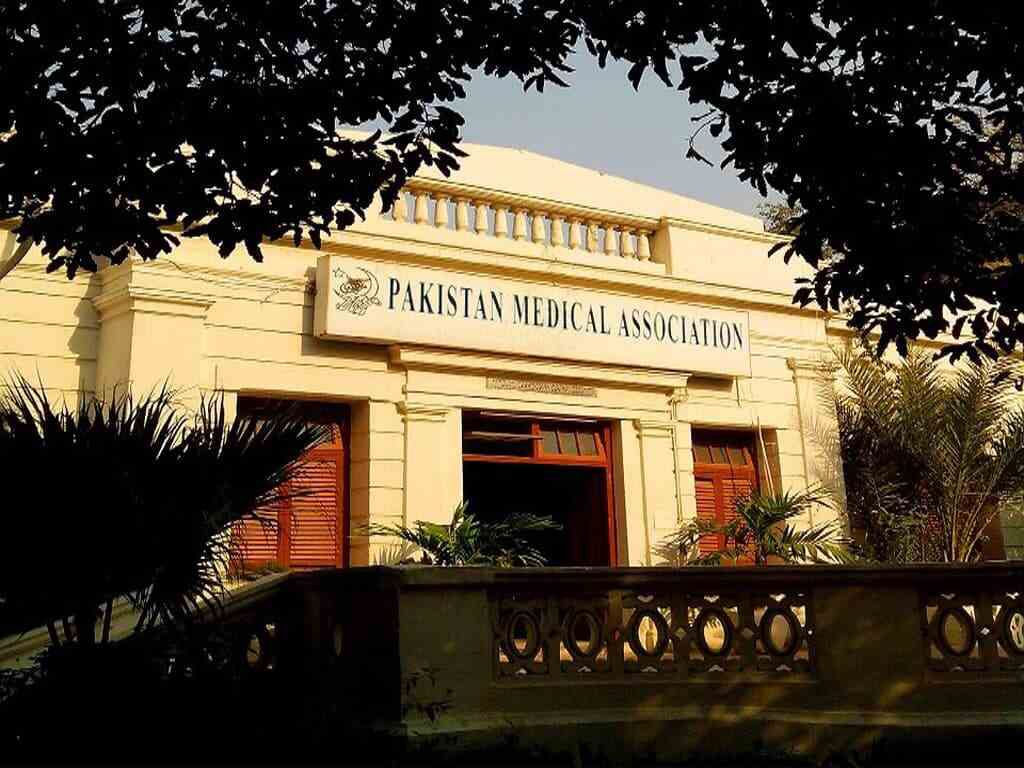
The Pakistan Medical Association (PMA) has strongly reacted to a recent FBR tax directive targeting doctors and private healthcare providers across Faisalabad. The directive, issued by the Regional Tax Office on December 2, 2025, instructs teams to conduct detailed fee surveys, inspect clinics and hospitals, and closely monitor the income of medical practitioners.
PMA warns that this aggressive approach could create an atmosphere of fear and mistrust within the healthcare sector. Instead of supporting medical professionals, these actions may discourage them from continuing their private practice — ultimately affecting patient care across Pakistan. Full details of the original report can also be seen here: PMA Protests FBR Tax Directive – Medical News Pakistan .
Doctors Are Not Traders, PMA Clarifies
The PMA emphasized that doctors are essential service providers whose work is rooted in humanitarian values. Categorizing medical practice as a profit-making business is misleading and harmful. The association stated that such actions ignore the unique nature of the medical profession where patient care—not commercial gain—is the core priority.
According to PMA officials, treating healthcare facilities like traditional commercial businesses damages the doctor–patient relationship and makes healthcare workers feel targeted rather than supported.

Impact on Healthcare Access in Pakistan
Pakistan’s public hospitals are already overcrowded and understaffed. A large portion of the population depends on private clinics, small medical setups, and family physicians who deliver primary care at the community level. The FBR’s strict audit instructions could discourage many practitioners from continuing their private services.
PMA fears that if these audits are not withdrawn, thousands of patients—especially in rural and semi-urban areas—may lose access to timely and affordable healthcare. This could worsen the existing shortage of medical professionals in the country.
Doctors Already Pay Multiple Taxes & Mandatory Fees
The Association reminded the government that doctors are already fulfilling several financial obligations. These include:
- PMDC Licensing Fees
- Punjab / Provincial Healthcare Commission Fees
- Sales Tax on Services
- Excise Taxes
- Regular Income Tax (deducted in most cases)
Adding another layer of surveillance and detailed inspections only increases stress on an already overwhelmed healthcare community.
PMA’s Demands to the Government
To protect the stability of Pakistan’s healthcare system, the PMA has urged the federal government and the Ministry of Finance to take immediate corrective steps. Their main demands include:
- Immediate withdrawal of the aggressive FBR directive
- Introducing supportive policies instead of pressure-based measures
- Reducing unnecessary government expenses before targeting essential service providers
- Strengthening private healthcare systems that serve millions of patients daily
The PMA concluded by saying that sustainable reforms—not inspections and intimidation—are needed to uplift Pakistan’s healthcare system. A cooperative approach between the government and medical community is essential for better patient outcomes and a stronger national health infrastructure.